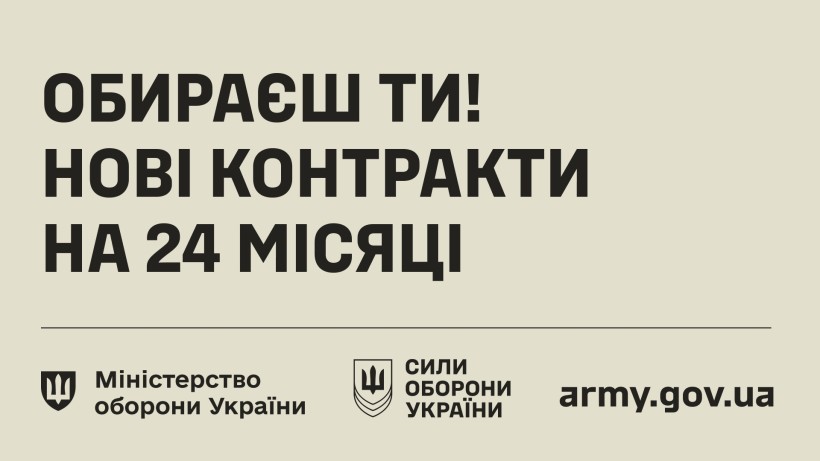
Міноборони запускає комплексну трансформацію військової служби
Чіткі терміни служби, справедлива оплата та гарантія відстрочки після завершення контракту – Міністерство оборони України запускає комплексну трансформацію військової служби. (more…)
Чіткі терміни служби, справедлива оплата та гарантія відстрочки після завершення контракту – Міністерство оборони України запускає комплексну трансформацію військової служби. (more…)
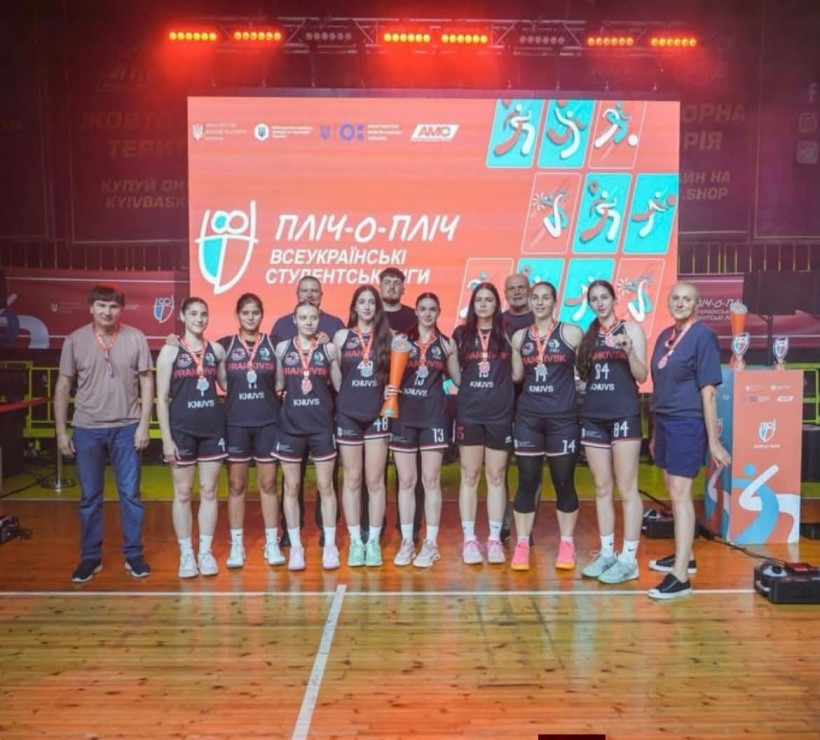
Команда Карпатського національного університету імені Василя Стефаника стала переможницею фінального етапу проєкту «Пліч-о-пліч: Всеукраїнські студентські ліги» з баскетболу серед студенток сезону 2025/2026.
У напружених поєдинках спортсменки продемонстрували характер, командну єдність, високий рівень підготовки та жагу до перемоги. Завдяки злагодженій грі баскетболістки здобули чемпіонський титул і гідно представили Івано-Франківщину на всеукраїнській арені.
Щирі вітання спортсменкам, тренеру Юрію Процюку, керівництву університету та всім, хто щоденно підтримує розвиток спорту й допомагає досягати таких результатів.
Нових перемог, рекордів та підкорення спортивних вершин!
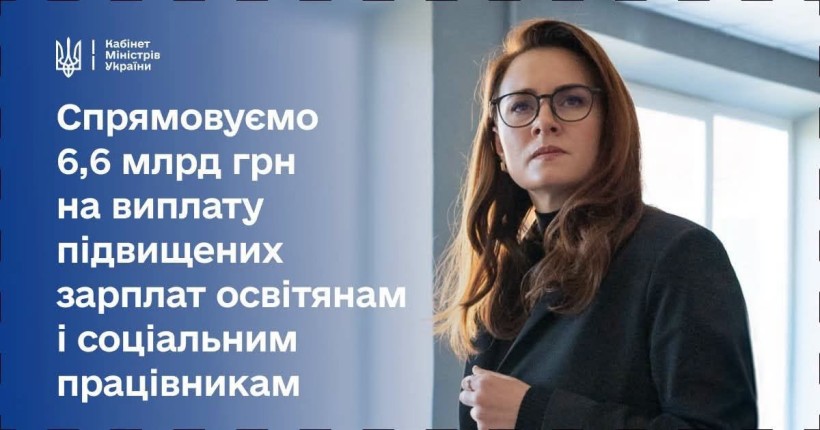
Про це повідомила Прем’єр-міністр України Юлія Свириденко.
Кожна область отримала суму, розраховану індивідуально — залежно від потреб на підвищення зарплат і можливостей місцевих бюджетів самостійно покривати ці витрати. (more…)
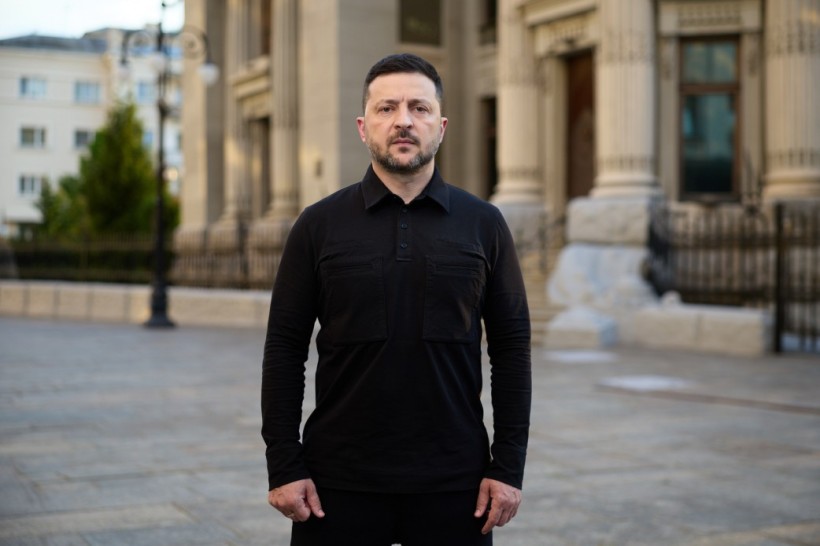
Шановні українці, українки!
Довгий сьогодні день – багато нарад із нашими військовими. Вдячний усім підрозділам Збройних Сил України та інших складових наших Сил оборони України: Служба Безпеки України, наші розвідки, Національна гвардія України, Національна поліція, наші прикордонники. Кожен день є в нас необхідні результати для України, і саме такі, як це визначено нашими стратегічними завданнями. (more…)
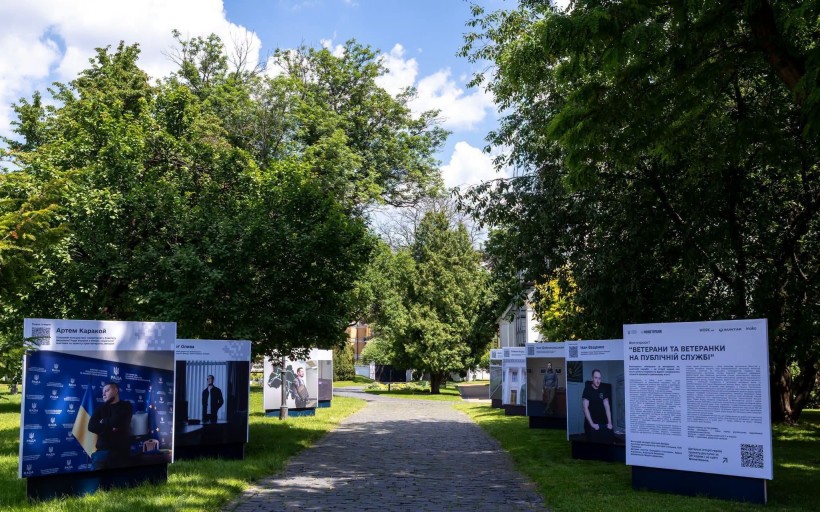
На День державної служби України у Софії Київській відбулася презентація фотопроєкту «Ветерани та ветеранки на публічній службі». До заходу долучився заступник голови Івано-Франківської обласної державної адміністрації Володимир Бабанін. (more…)

Український молодіжний фонд – державна установа у сфері управління Міністерства молоді та спорту України, створена у 2023 році для підтримки ініціатив української молоді через прозорі конкурси, а також з метою виконання окремих завдань молодіжної політики. (more…)
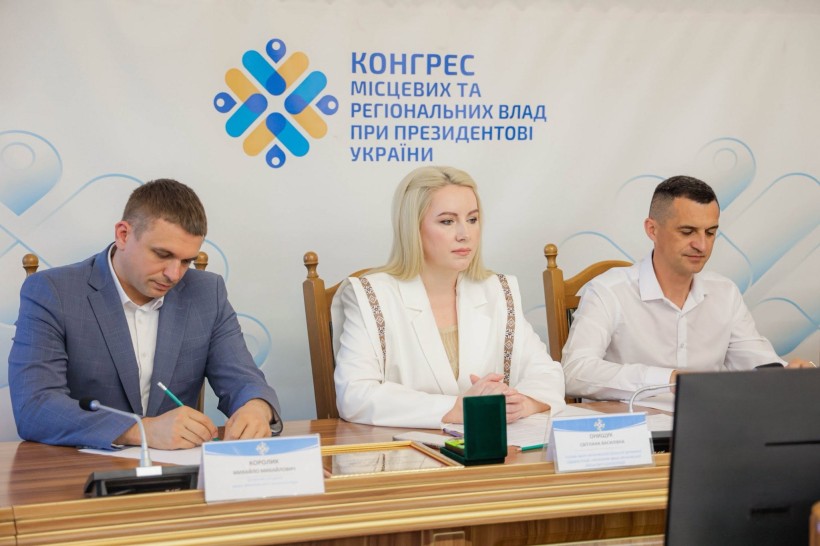
Голова обласної державної адміністрації – начальниця обласної військової адміністрації Світлана Онищук разом із Михайлом Короликом, керуючим справами обласної ради, привітали учасників першого засідання Івано-Франківського регіонального молодіжного конгресу при Конгресі місцевих та регіональних влад при Президентові України. (more…)
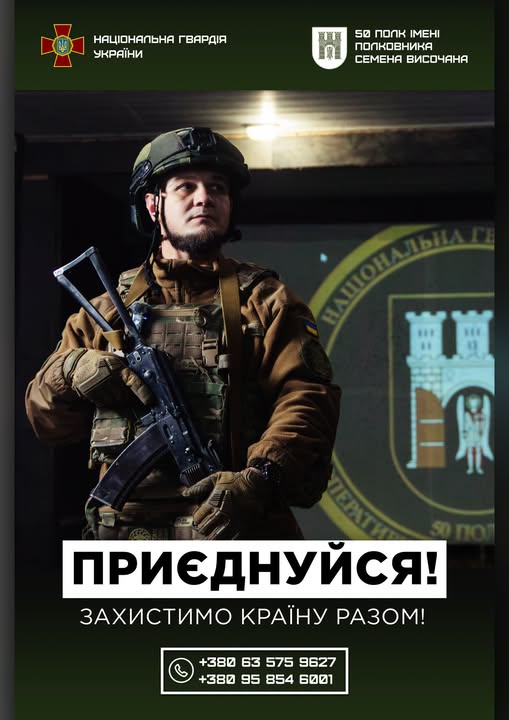
 На службу запрошуються вмотивовані громадяни віком від 18 до 60 років з подальшим проходженням відповідної військової підготовки тривалістю кілька місяців.
 095 854 6001 063 575 9627
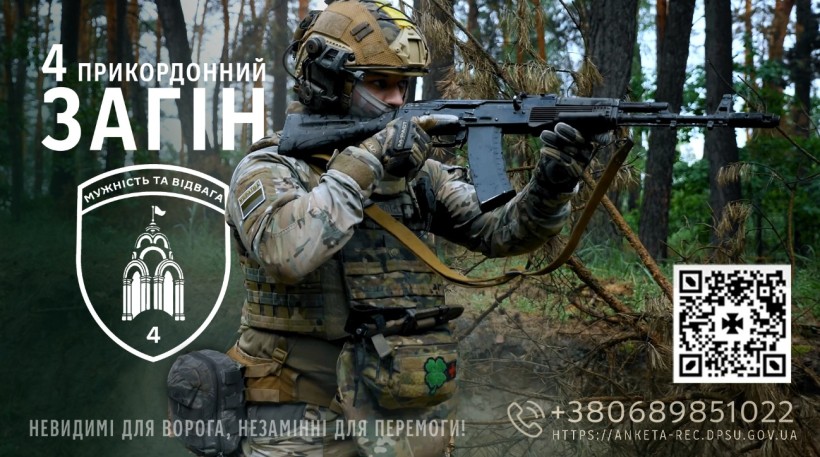
Сучасна війна змінилася. Відтепер вирішують не тільки броня й калібр, а й інформація, швидкість прийняття рішень і точність ураження. Підрозділи БПЛА – це ті, хто бачать першими і влучають точно.
Для комплектування вакантних посад підрозділу, який виконує завдання в межах Харківської області потрібні: оператори БПЛА, інженери, водії, кухарі, зв’язківці, медики, діловоди.
Запрошуємо на військову службу громадян України віком від 18 років. Зроби перший крок – звернись до відділу рекрутингу прикордонного загону, а далі наш колектив допоможе на кожному етапі – від подання заяви до підписання контракту.
Державна прикордонна служба України пропонує контрактну службу від 1 року для кандидатів до 25 років, а також для тих, хто має психологічну або медичну освіту. При підписанні першого контракту на 3 роки військовослужбовець отримує матеріальну допомогу: понад 24 тисячі гривень для сержантського складу та близько 29 тисяч гривень для офіцерів.
Серед переваг контрактної служби – соціальні гарантії, зокрема заробітна плата від 21 000 грн (також додатково виплачується щомісячна винагорода від 30 000 грн), оплачувана відпустка тривалістю 30 діб, матеріальна допомога, безкоштовне медичне обслуговування та харчування, а також компенсація за оренду житла для тих, хто не має власного за місцем проходження служби.
У нашій структурі кожен може знайти себе за своїми навичками та зробити свій внесок у безпеку держави. Всіх охочих запрошуємо звернутися до відділу рекрутингу для отримання детальнішої інформації та приєднання до нашої команди.
Контакт для уточнення вакансій:
(068) 985-10-22 , (066)935-93-18, (096) 262-88-36